
What Is Postponed VAT Accounting (PVA) and How Does It Work?
If your business imports goods into the UK, postponed VAT accounting lets you account for import VAT on your regular VAT return instead of paying it upfront at the border.…


If your business imports goods into the UK, postponed VAT accounting lets you account for import VAT on your regular VAT return instead of paying it upfront at the border.…
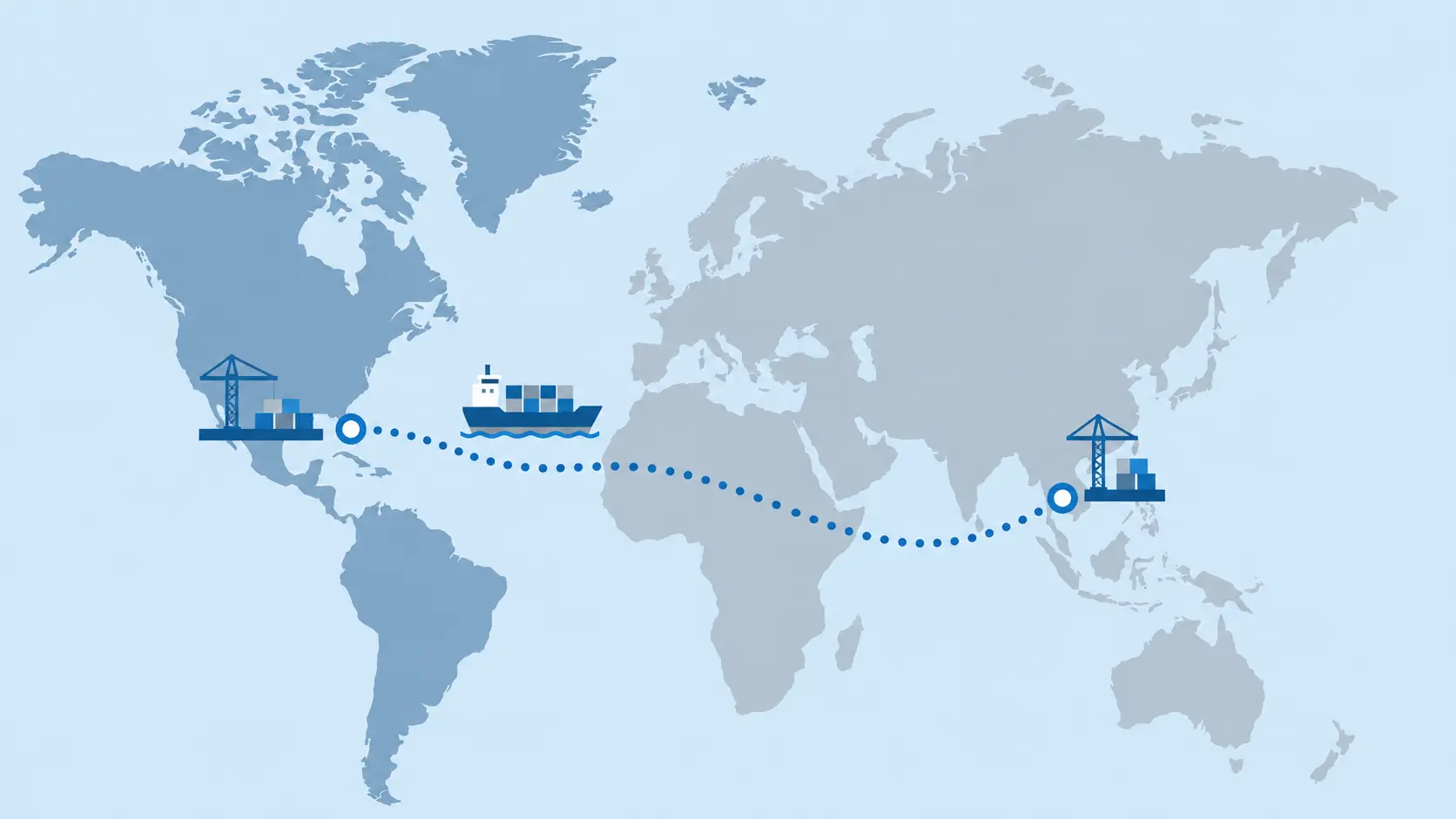
Incoterms UK importers rely on define exactly who is responsible for shipping costs, insurance, and customs formalities at each stage of a shipment's journey. Getting the wrong incoterm on a…
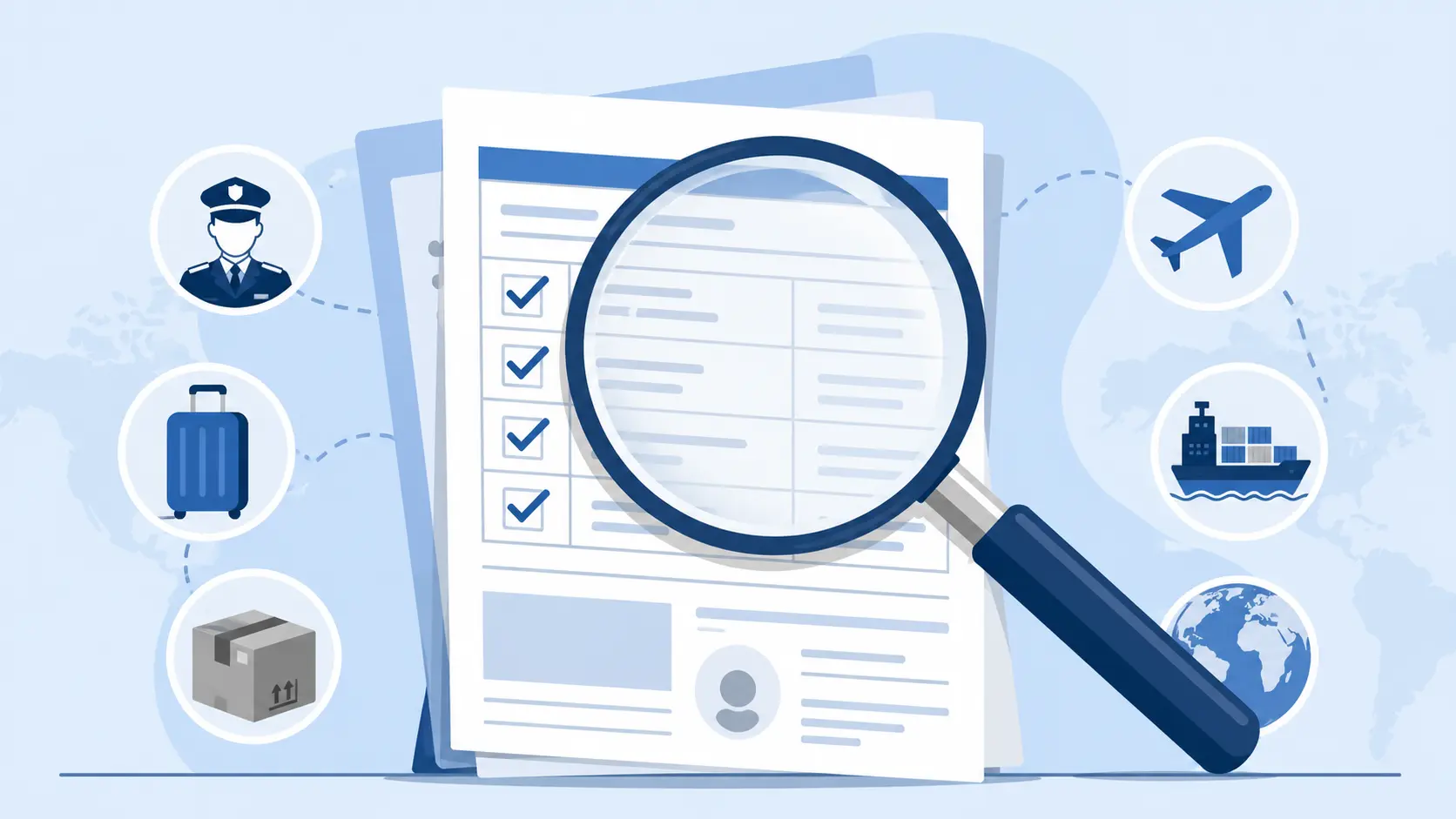
Knowing how to read a customs declaration makes it much easier to spot errors, understand delays, and check that duty and VAT have been calculated correctly on your shipment. A…
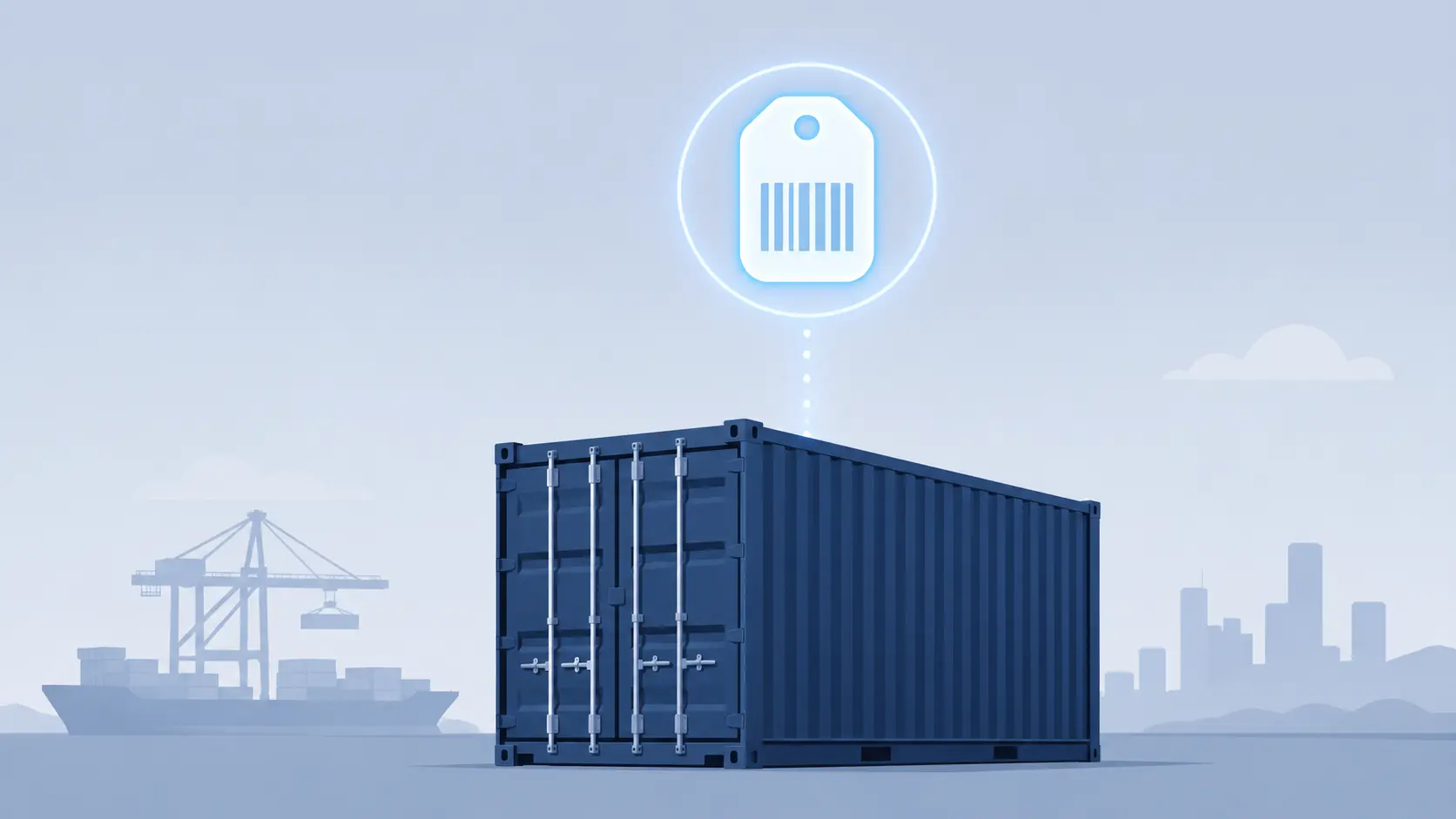
If you import or export goods between the UK and other countries, you will usually need an EORI number UK customs authorities can use to identify your business. Without one,…
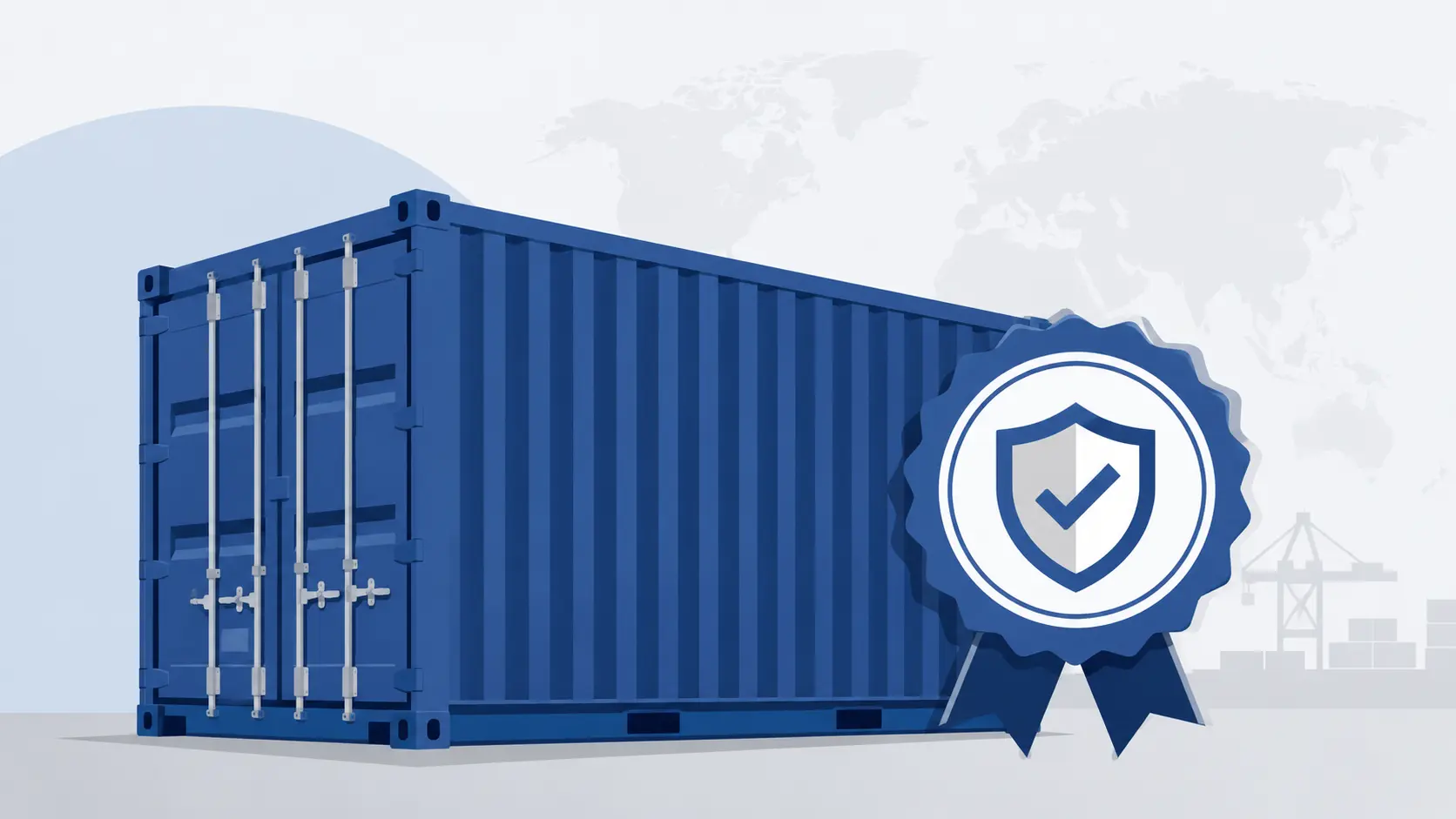
AEO status UK businesses can apply for is an HMRC accreditation that recognises a company's customs processes, security, and compliance as meeting internationally recognised standards. Holding it can mean faster…
If you want to appeal a customs decision UK authorities have issued, whether it relates to duty owed, a seized shipment, or a classification ruling, there is a formal review…
A packing list customs officers rely on describes exactly what is inside a shipment, how it is packed, and how many units, cartons, or pallets are involved. It sits alongside…
When comparing DDP vs DAP, the key difference comes down to one question: who pays the customs duty and VAT on your shipment, the seller or the buyer? Getting this…
If you’re moving goods between the UK and the EU, you’ll already know how much has changed in the past few years. From safety and security declarations to GVMS headaches…

If you’re regularly moving goods in and out of the UK, you’ll know that the Customs Declaration Service is no longer “new”. It’s the system we’re all working with day…