

If you’re moving goods between the UK and the EU, you’ll already know how much has changed in the past few years. From safety and security declarations to GVMS headaches at 4am in a lorry park, it’s been a learning curve for everyone. The latest development is the EU’s new Entry/Exit System, and it’s something every operator involved in UK freight customs clearance needs to understand properly.
This article breaks down what EES means in plain terms, what will actually change at the border and how you can prepare so you’re not dealing with avoidable delays at Dover, Portsmouth or any other EU-facing route.
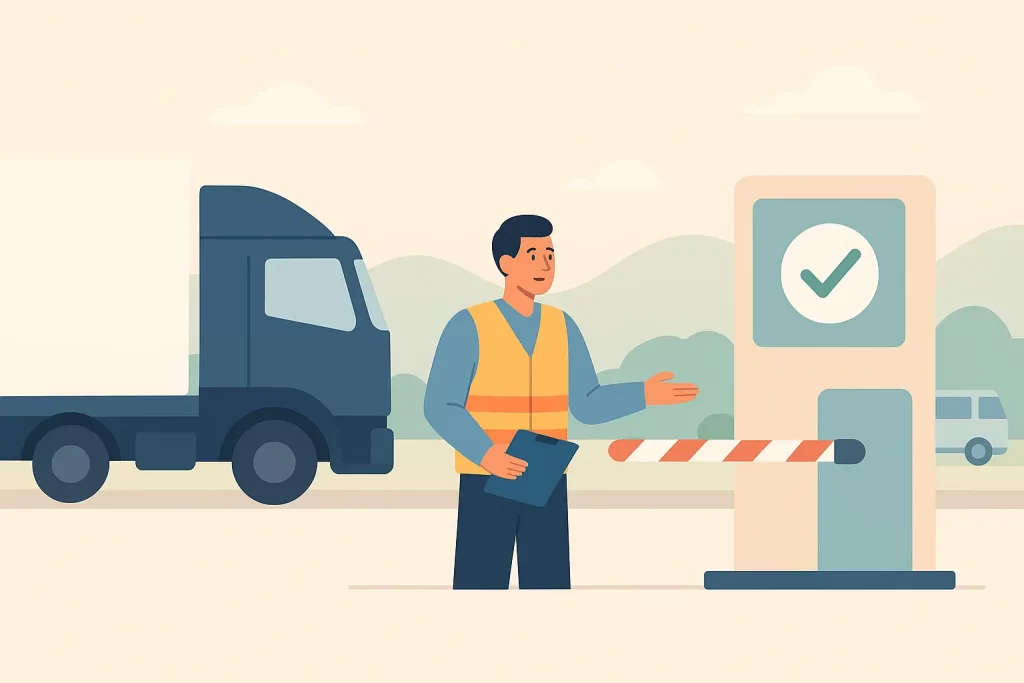
Introduction to the EU Entry/Exit System (EES)
The Entry/Exit System, known as EES, is a new digital border control system being rolled out by the EU. It is designed to record the entry and exit of non-EU nationals travelling into the Schengen area.
On the face of it, that sounds like a passenger issue. But as anyone in haulage knows, drivers are right at the heart of freight movements. If your driver is delayed, your load is delayed. That’s why EES UK freight implications need careful consideration.
Under EES, passport details, biometric data such as fingerprints and facial images, and entry and exit records will be collected digitally. The idea is to strengthen border security and automate parts of the process. In practice, it means new procedures at ports and terminals.
What EES Means for UK Freight Operators
For UK freight operators sending drivers into the EU, EES will apply to your drivers because they are third-country nationals in EU terms. Each time they enter or exit a Schengen country, their details will be recorded.
This affects:
- Drivers using roll-on roll-off routes such as Dover to Calais
- Drivers sailing from Portsmouth to France or Spain
- Operators running accompanied loads through Eurotunnel
In the early stages, there is a real risk of congestion while systems bed in. Anyone who remembers the first weeks of new customs controls post-Brexit will recognise the pattern. It only takes a few extra minutes per vehicle for queues to build quickly.
Logistics managers should be reviewing schedules and speaking with customers now about potential transit time fluctuations, especially for just-in-time deliveries.
Key Changes to Border and Customs Processes
Although EES is focused on immigration control rather than goods declarations, it intersects directly with border processes.
Here are the main changes likely to affect freight operations:
- Drivers may need to stop for biometric data capture on initial entry
- Passport stamping will stop and be replaced by digital records
- Systems at ports will require integration between freight flow and passenger data checks
- Potential separation of first-time and repeat-entry drivers
For busy ports such as Dover, where volume is everything, any additional processing step has operational knock-on effects. The same applies at Portsmouth, particularly for unaccompanied trailer traffic where coordination between shipping lines and agents is key.
Remember, EES does not replace customs formalities. You will still need correct declarations, safety and security filings and the right transit documentation. If those are wrong, EES will not be your only delay.
How to Prepare for EES Compliance
The best approach is the same one that works for any regulatory change: preparation and clear communication.
- Audit your driver documentation
Check passports are valid and will remain valid for the required period. Make sure personal details match internal systems and booking data exactly. Even small discrepancies can trigger secondary checks.
- Brief your drivers properly
Drivers need to understand what EES is and why they may be asked for fingerprints or facial scans. If they are caught off guard, it slows everything down. I have seen similar issues before where lack of briefing added half an hour to what should have been routine processing.
- Build in contingency time
At least during the transition period, allow realistic buffers in schedules. Speak to customers about flexible delivery windows, particularly for groupage and high-value loads.
- Keep customs processes watertight
When borders are under pressure, incomplete or incorrect customs entries stand out quickly. Whether you are moving goods by road, liaising with partners in air freight or coordinating with sea freight teams, accuracy first time saves hours later.
Common Challenges and How to Avoid Delays
The most common problems we expect to see are not technical system failures, but practical bottlenecks.
First-time registrations
When EES first goes live, drivers entering the Schengen area for the first time under the new system will need full biometric enrolment. Encourage experienced EU drivers to complete initial entries during quieter periods if possible rather than during peak seasonal flows.
Peak traffic periods
Think fresh produce seasons, pre-Christmas retail surges and summer holiday traffic. Combining those with a new control regime is an obvious pressure point. Stagger departures where you can.
Poor coordination between departments
I often speak to operators where HR holds driver passport data, operations handle bookings, and customs teams manage declarations but the information does not always flow cleanly between them. Under EES, alignment matters. If the name on the booking does not exactly match the passport presented, expect questions.
Assuming it will not affect freight
This is a big one. Because EES sounds like an immigration measure, some businesses underestimate its impact. In reality, anything that slows driver processing at the border slows freight.
Conclusion and Next Steps for UK Businesses
The Entry/Exit System is another shift in how UK operators interact with EU borders. It is not something to panic about, but it does require planning. Understand how it affects your drivers, tighten up your documentation and talk openly with customers about potential changes in transit times.
If you are reviewing your wider customs arrangements for routes through Dover or Portsmouth, or you simply want reassurance that your processes are solid, experienced support makes a real difference. The team at MartinTrux works daily with UK freight operators navigating EU requirements and can help you strengthen both compliance and efficiency.
Get in touch for expert help with your EES preparation and customs processes.