

If your business brings in parts or materials from abroad, works on them in the UK and then sends the finished goods back out, paying full import charges on the way in can feel like paying for something you’ll never use here. Inward processing is the customs procedure built for exactly that. In short, HMRC says it lets you avoid paying Customs Duty and import VAT on goods you import from outside the UK, process or repair, and then re-export. Our customs clearance team can help you work out whether it fits your trade.
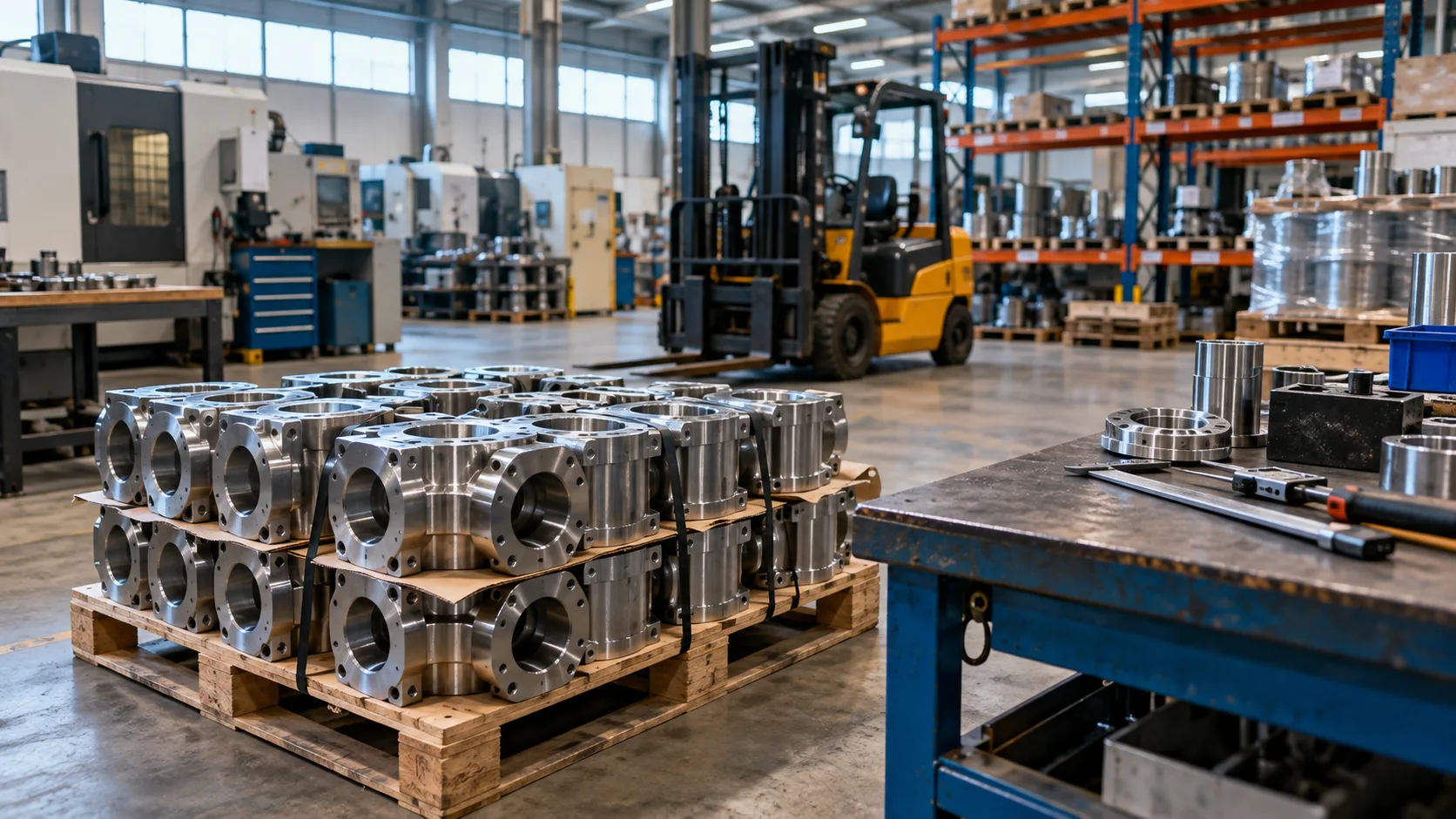
What inward processing is
Inward processing is one of HMRC’s special customs procedures. It’s aimed at UK importers who add value to goods before sending them on, whether that’s manufacturing, assembling, repairing or otherwise working on them.
While the goods are under the procedure, the import charges are suspended. HMRC’s guidance covers Customs Duty and import VAT, and says excise duty is delayed too, but becomes payable if the goods end up being released into free circulation in the UK instead of being re-exported.
What kind of work it covers
The procedure covers both processing and repair. When you apply, HMRC asks you to say which economic code you’ll use, and to describe the goods, the quantity and their value.
Typical examples include:
- importing components to build into a finished product for export
- bringing in goods to repair or refurbish for an overseas customer
- processing raw materials in the UK before they’re shipped abroad
Who can use it
HMRC’s guidance says you’ll need to:
- be established in the UK
- have an EORI number (our guide to the EORI number explains what it is)
- have a good customs compliance record
- possibly provide a guarantee to cover the duty and VAT that’s being suspended
- hold any import licences your goods need
Two ways to get authorised
Full authorisation
A full authorisation suits businesses that will use inward processing regularly. It allows you to use simplified declarations to import or export your goods. HMRC says you should apply at least one month before you intend to import.
Authorisation by declaration
For occasional use, you can apply through the import declaration itself. HMRC limits this to 10 times in a 12-month period, for goods worth up to £500,000 per consignment, and you must process the goods yourself rather than asking someone else to. It can’t be used for certain goods, including excise goods, controlled goods, and works of art, collector’s pieces and antiques.
Keeping it compliant
Inward processing comes with responsibilities. HMRC expects you to keep detailed records of what happens to the goods and to tell it how they’ve been disposed of. If you used authorisation by declaration, you’ll submit a bill of discharge, after which any security deposit or guarantee is returned.
It’s worth planning this before the first shipment arrives at Dover, Felixstowe or any other UK port. Getting the declaration wrong at the start can mean paying charges you didn’t need to, or having to unpick the paperwork later.
Frequently asked questions
Does inward processing cover import VAT as well as duty?
Yes. HMRC’s guidance says that under inward processing you won’t need to pay Customs Duty and import VAT on goods you import and then re-export. Excise duty is delayed too, but becomes payable if the goods are released into free circulation in the UK rather than re-exported.
How often can I use authorisation by declaration?
HMRC allows authorisation by declaration up to 10 times in a 12-month period, for goods worth up to £500,000 per consignment. You must process the goods yourself. If you expect to use the procedure more often than that, a full authorisation is usually the better route.
What happens if the processed goods stay in the UK?
If goods under inward processing end up being sold or used in the UK instead of being re-exported, the import charges that were suspended become payable when they’re released into free circulation. Keeping clear records of what happens to each consignment makes this much easier to manage.
Speak to our customs team
If you’re importing goods to process or repair, give us a call on 01304 759200 or drop us a message and we’ll talk through whether inward processing could suit your shipments.